
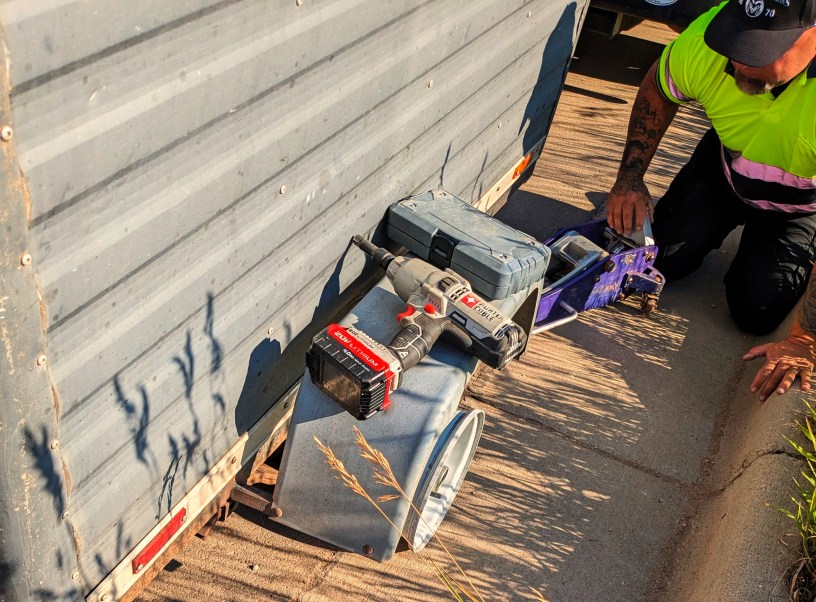
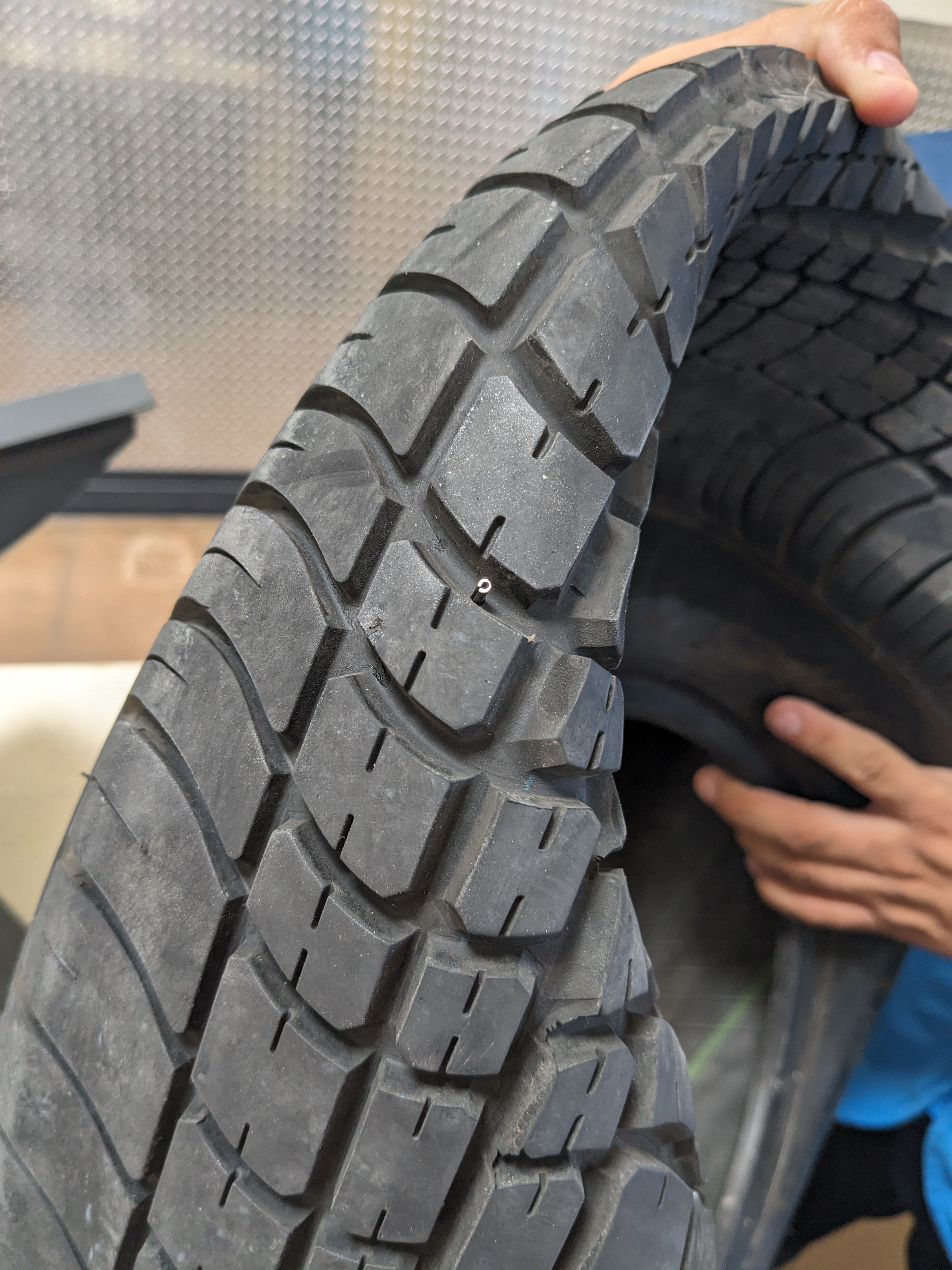
Have you ever needed to know what to do when things go wrong on a road trip? On my recent adventure, I faced a series of unexpected challenges that tested my problem-solving skills. What was supposed to be a smooth journey turned into a collection of mishaps. From a flat tire, to headlight problems and a refrigerator going bad, I was reminded of the importance of adapting. Here are some of the tips and strategies I used when when things went wrong.
- Stay Calm and Assess the Situation:
The step is to remain calm. I know it’s easier said that done but panic only makes matters worse. If the engine light comes on or you have a weird tire vibration, pull over to a safe spot first. The keyword here is safe. You may have to slowly drive to an exit or a well lighted store for help. Turn on your hazard lights, and assess the situation. It’s a judgement call but if my car is still running (without redlining or smoke) or if my tire is just wobbling I’ll usually try to get to a better location before stopping. This can mean the next exit or simply a wider place on the shoulder. - Contact Help
I always have my car plugged in on road trips so I can find it quickly. If you have roadside assistance through your cell phone company, insurance or a service like AAA, now is the time to use it. Call your travel agent if you booked through one. Take photos or a video of where you are to send to family or friends. Make a note any landmarks or cross streets before calling roadside assistance. The company may want that as well as your location. - Get names
Get business cards and names of tow truck drivers or law enforcement. Put these in a safe place for later reference. If the tow truck driver doesn’t have a business card, take a photo of the sign on the vehicle and get the driver’s name. - Carry extra water and snacks
You’ll probably want them on the road trip even if you don’t have a problem. - A good tool kit
I learned this one the hard way. If you’re comfortable with basic car repairs and have the necessary tools, you might be able to fix minor issues like a flat tire or a dead battery. Be sure to use safety precautions and be cautious. A friend pointed out that even if you don’t know how to use the tools, someone who stops to help you might. - Emergency Kit
Always carry an emergency kit in your vehicle! Include items like a flashlight, jumper cables, a basic first-aid kit, a blanket, large trash bag, a few paper towels and non-perishable snacks. I also include a reflective triangle and a tarp. The tarp will protect your clothes from dirt or rain if you have to get under the car. A jump starter was suggested by @JonOffGrid on YouTube. This is the Amazon link for the AsperX jump starter that I use. - Communication
Keep your family at home and any travel companions informed. Tell them where you are, what’s happened and the estimated time for help to arrive. I also let trusted family members follow me on Google Location Sharing so they know where I am. - Adapt Your Plans
If the issue causes a significant delay, be flexible with your itinerary. Adjust your plans accordingly and keep family and friends informed. Several situations happened on my last journey that slowed me down. It was stressful but adapting made things easier. - Look into trip insurance
Breakdowns can mean extra bills in addition to car repairs. AAA and some companies can help with the costs of extra food and lodging due to a trip interruption (other than the repair). Check your membership and credit card company before leaving home. AAA reimbursed me for food and lodging when my AC went out unexpectedly during a 100+ degree heat wave. It was only a matter of filling out the forms and keeping my receipts. - Illness
You may be able to contact your doctor, explain your symptoms and get something phoned in. It’s also possible that your doctor can take care of you by telehealth. If not, check with your insurance company for places near you that are in in-network. This is how I found out that a telehealth company was covered without a deductible several years ago. Otherwise, look for a walk-in clinic such as a Minute Clinic through CVS. Always call 911 for help if you have an emergency. - Carry cash
Don’t rely on credit cards or phone pay apps to work. Always put back a small amount of cash in case of an emergency. Put this in smaller increments like $10, $20 or $1.00 bills. You may want a snack from a vending machine or want to tip a mechanic. You may have to pull off into a pay parking lot that doesn’t take cash. - Follow directions
Always follow the directions of local authorities and your insurance company or any officials. - Stay Positive
While it’s frustrating when things go wrong, try to maintain a positive attitude. Road trips are about the journey, not just the destination. Sometimes, the unexpected detours lead to the most memorable experiences.
Road trips can be full of surprises, both good and bad. When things go wrong, staying calm, ensuring safety, and seeking assistance are key. With the right mindset and preparation, you can turn unexpected mishaps into part of the adventure and create stories to share for years to come.


 Bodacious Broads Travel Blog